
© DL4FG Weilburg
Amateur Radio
City Club-Weilburg

Enlarge picture: Move the
mouse pointer to the picture
and then the left mouse button
to press. Comment on the top
Screen.
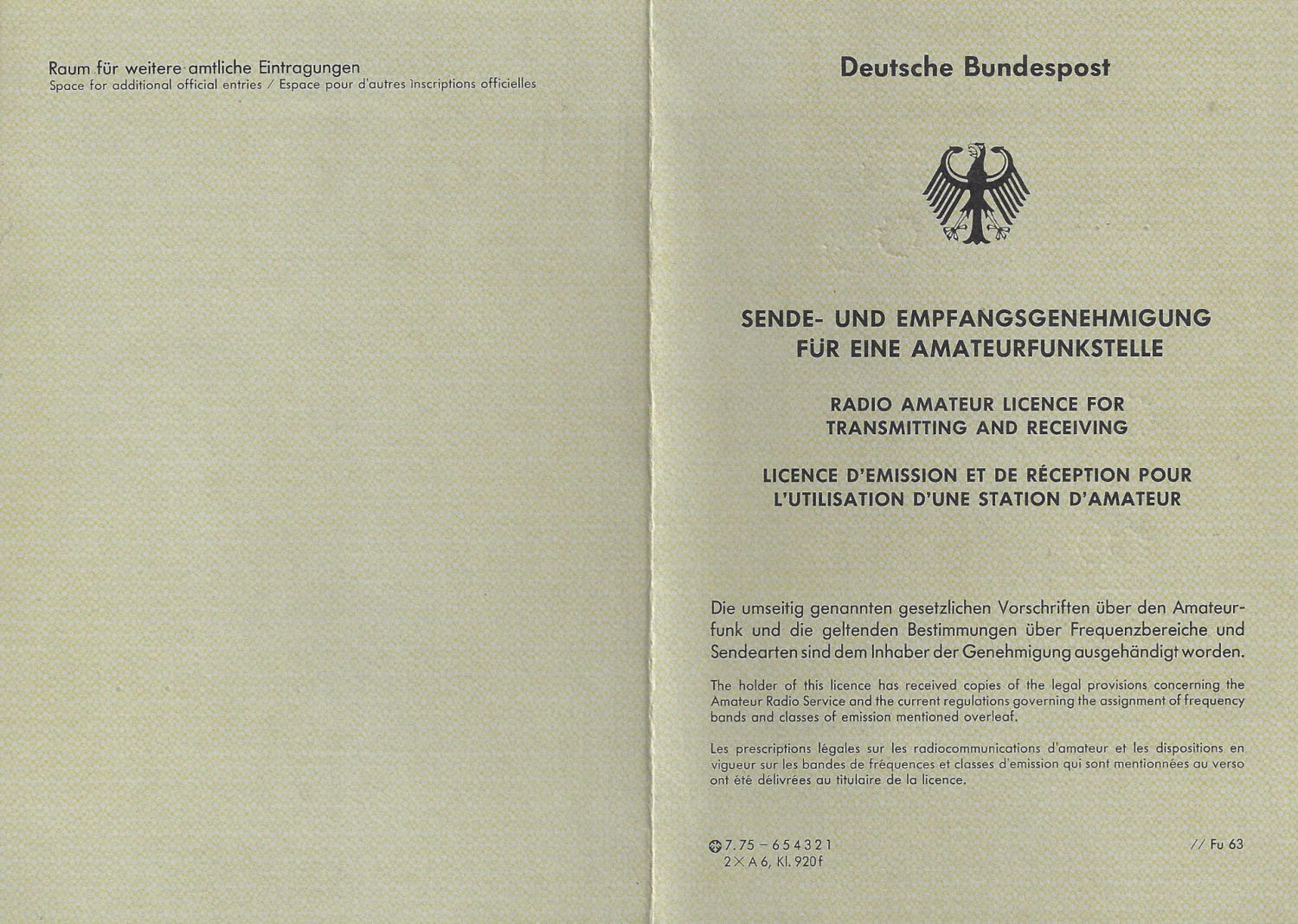
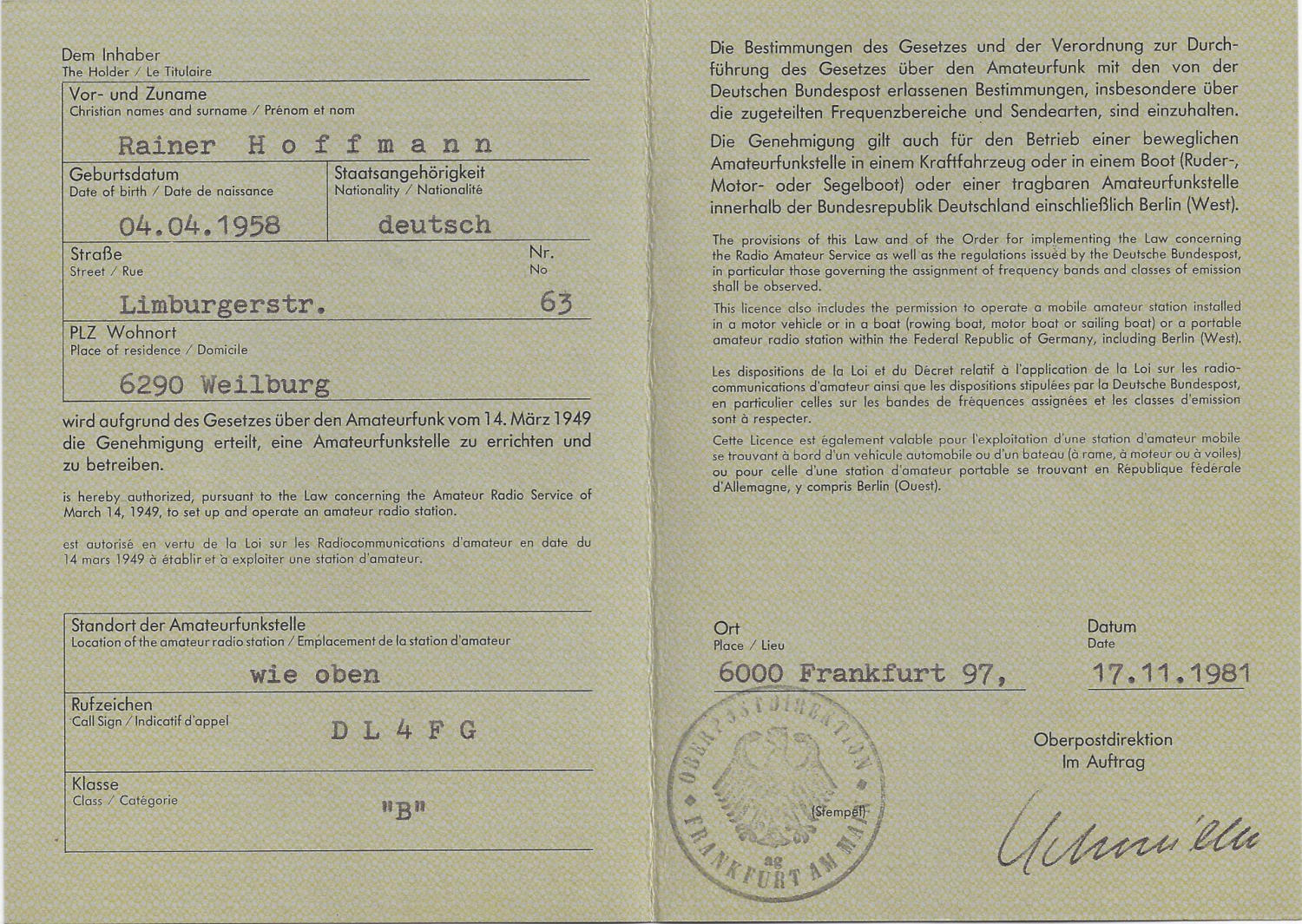
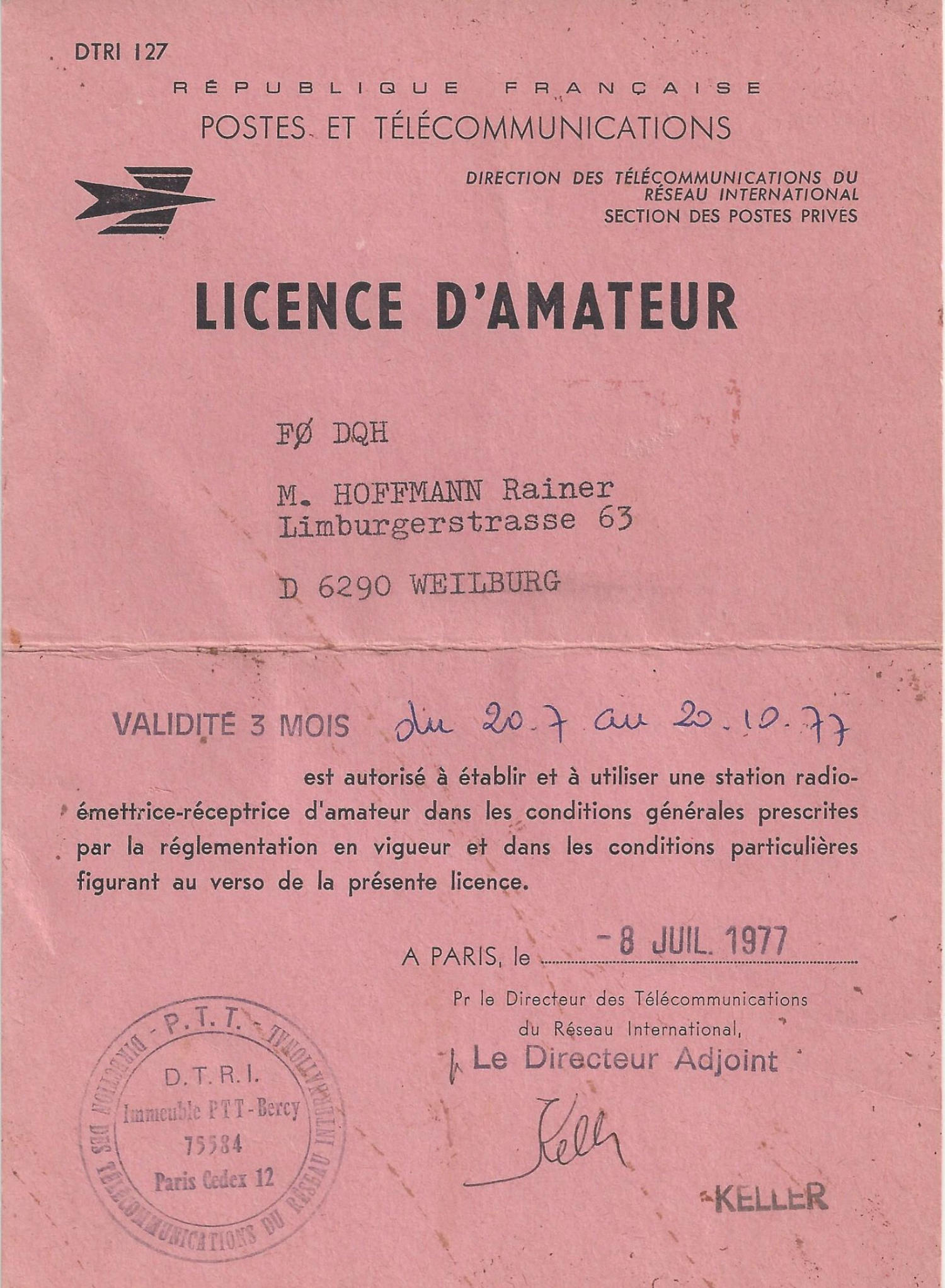
Amateur radio license
Guest License
France
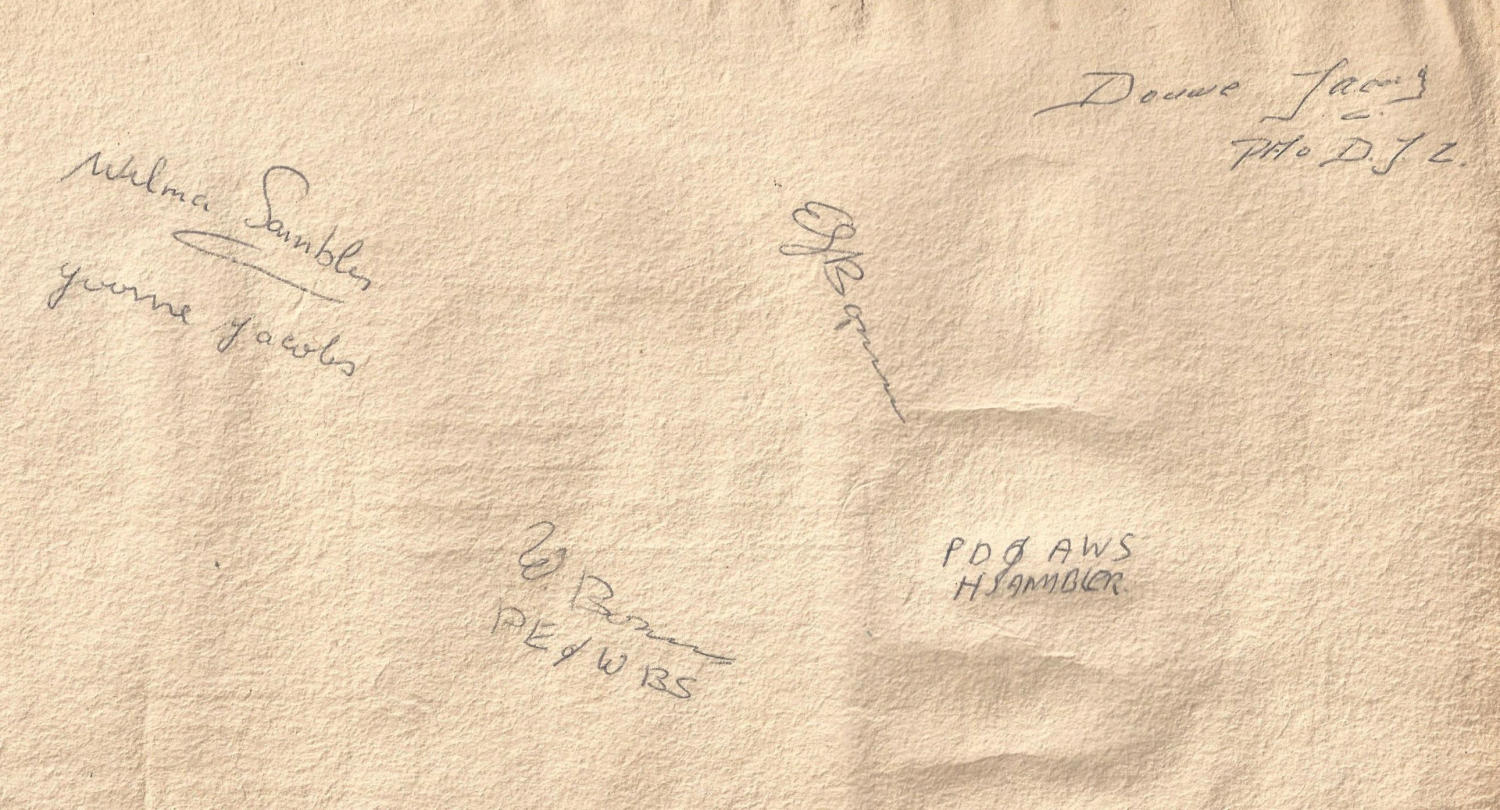
Handmade paper
Zevenaar
Netherlands
My way to the amateur radio was rather coincidental. My neighbor came over and said that on Friday evening at 8:00
pm o'clock an amateur radio course takes place in Komödienbau in the city center. That was in the fall of 1973. Since
education can never be wrong, we went there. The evening was very interesting and so we both participated in this
course for about 1 year. The instructors included two teachers, an engineer and a technician. When classes ended in
autumn 1974, some of the participants registered for the exam at the OPD in Frankfurt. I then went to Frankfurt in
January 1975 with Richard and Herbert. After passing the theoretical exam, I went home with the callsign DB7FP. A
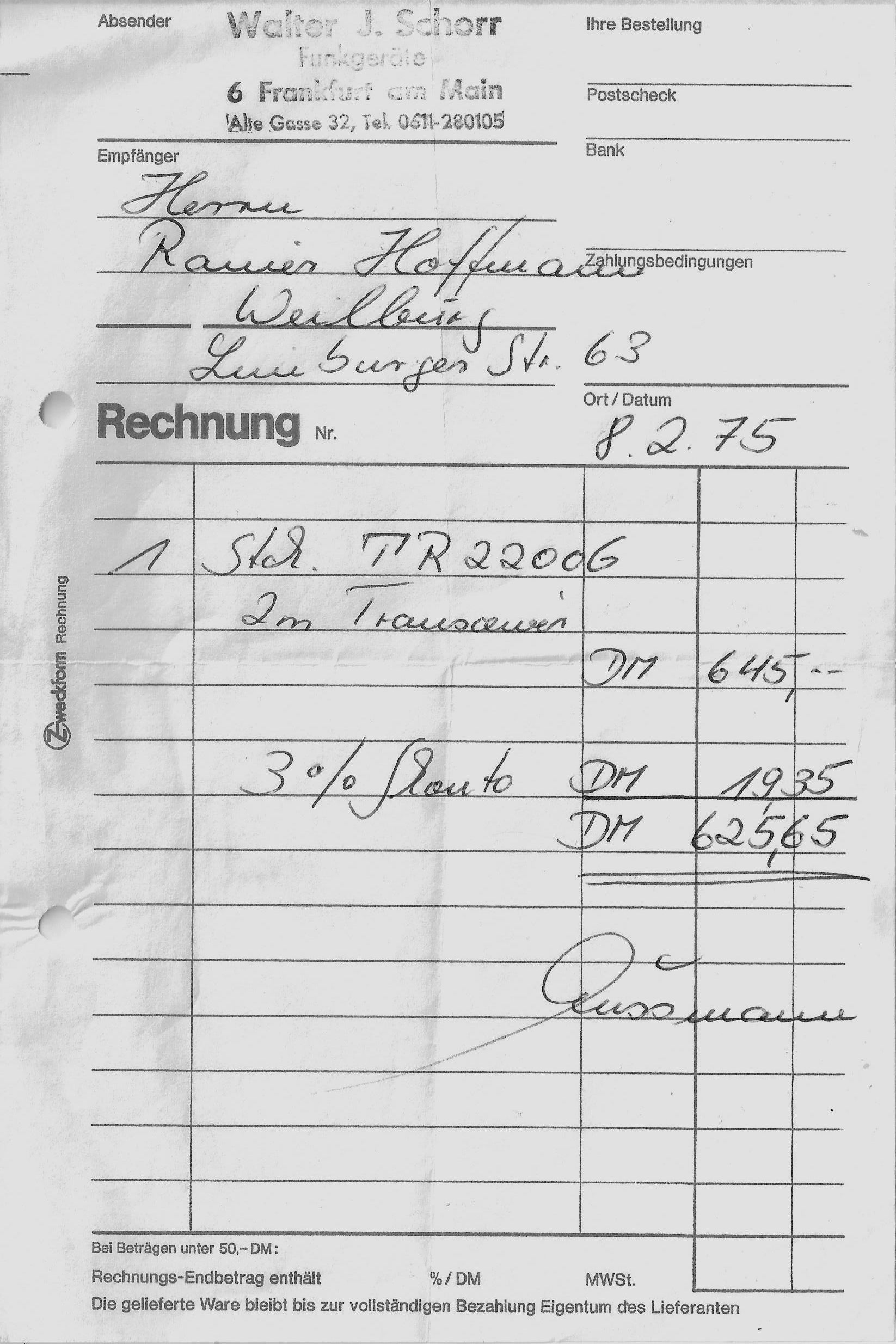
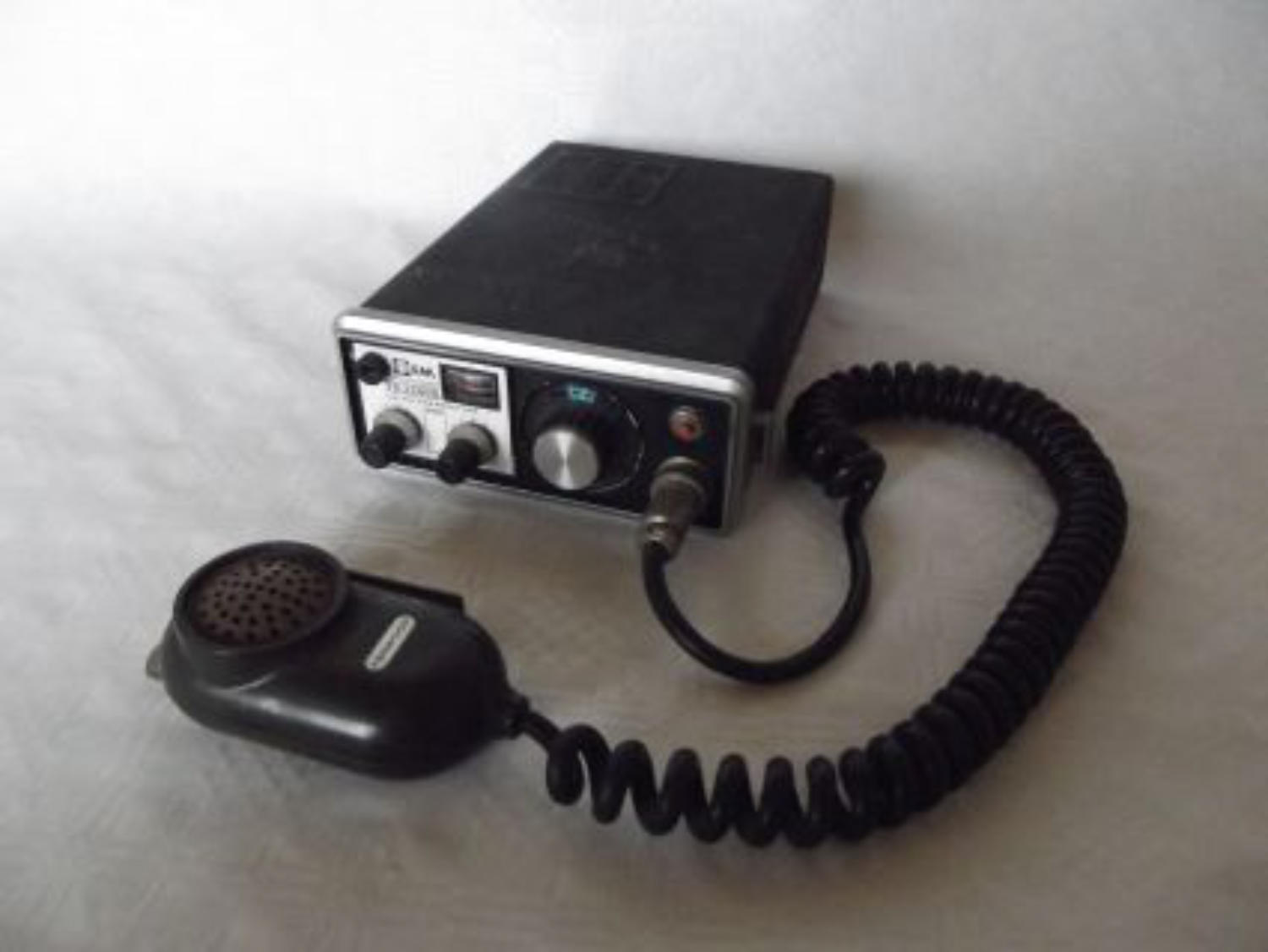
few weeks later I was back in Frankfurt and bought a 2m band transceiver TRIO TR 2200G (DM 625.65). That was
quite difficult with my trainee salary.
Incidentally, my neighbor also passed the exam and received the callsign DB5ZZ.
I am also very sure that this course has significantly influenced my professional orientation. At the end of the school
year in the middle of 1974, for example, I trained as a radio electronics technician (today electronics technician
devices and systems).
Then in the middle of 1975 the Local Association Weilburg was founded and we got a so-called district and
Ortskenner (DOK) F46. The first letter (F) stands for Hesse and the number continues to increase. For example, the
local chapter Limburg F 14 and Wetzlar F 19. The first chairman was then Rudi. I also ran my first radio connection
(QSO) with the Rudi. My interlocutor came from Wetzlar and is called Gottfried Huttel DJ1SG. Because I was at
Philips every working day in Wetzlar, I personally picked up my first so-called QSL card.
Of course we also took long-distance trips to other European countries. Once we were in Zevenaar (Netherlands) at
the invitation of our host Douwe. We also met other radio amateurs from Zevenaar. The hosts showed us the highest
elevation in the Netherlands and the Openlucht Museum in Arnhem. In the Openlucht Museum, we were able to buy a
sheet of hand-made handmade paper, on which some of the hosts immortalized themselves.
The next holiday took us to Privas in France. Back in 1977 we had applied for a guest license, but we did not get in
contact with radio amateurs from Privas and the surrounding area. By the way, both cities are twinned towns of
Weilburg.
Next year, we also did our first fieldday at the Steinbühl in Weilburg. We've built tents and antennas and some
transceivers and a
refrigerator as a base load.
The emergency generator
was borrowed from Weilburg
THW. As a result, we have
done a few fielddays at
changing locations and also
bought our own tent and an

German
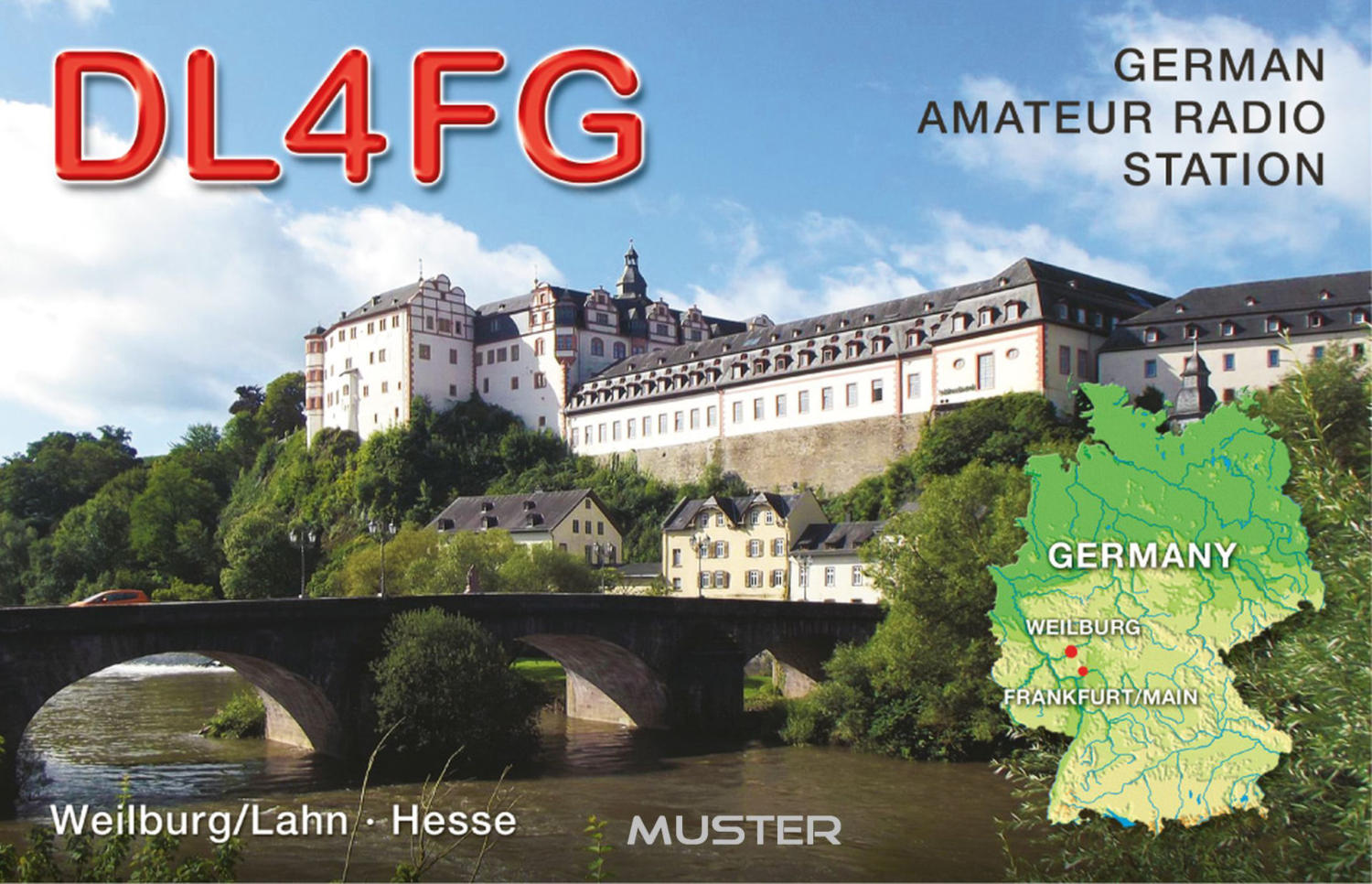
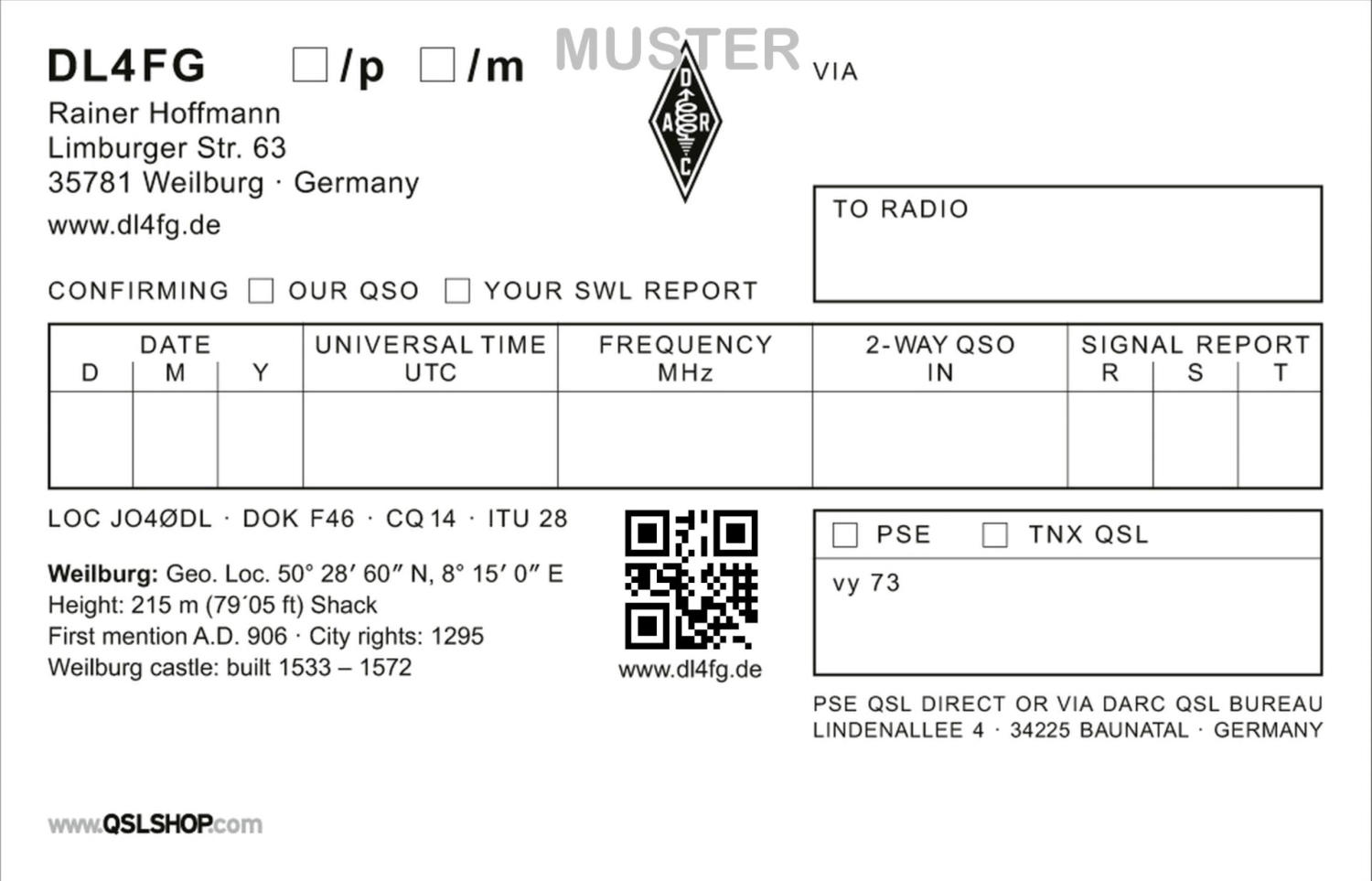
My QSL card in the final form (front side)
My QSL card in the final form (back)
Very nice were also the fox hunts on VHF (2 m band) in Weilburg and
surroundings. Of course, we were often only 4 participants and had to find
only one fox (transmitter) by bearing. However, the success left much to be
desired. But grilling afterwards compensated for everything.
In 1980 four radio amateurs got together and wanted to learn Morse. The
meaning behind it was the acquisition of the license class A or B.
Unfortunately, 3 have given up on the way. That was not exactly motivating
for me. And after about a year, I passed the exam in Frankfurt. Almost a
joke that you learn about 1 year and the exam takes net only 9 minutes. 2
passages each 3 minutes listening and give 3 minutes. And that with 60
letters per minute. It almost sounds like music (synthesizer). For me, the
problem was that I have no sense of rhythm. Do not ask me where I noticed
that for the first time. In the dance school, yes, but I had never been
there. I was just too small for that. When I was not in Weilburg for a few
years, the hobby had to rest a little bit. However, I'm currently in the
process of bringing some old devices back to work.
On the left you can see a design for my new so-called QSL card. I did not
want a card off the rack but something individual. That takes a little longer.
The back shows the rhombus of my club (DARC). Some specific abbreviations
will now be briefly explained.
QSO: Can contact xxxx.
SWL: Shortwave Listener (shortwave listener, without amateur radio
license).
RADIO: call sign of the other station.
UTC: (Universal Time Coordinated) has replaced the previously valid GMT
Picture GALLERY: Activities of the Weilburger Association in Germany and abroad
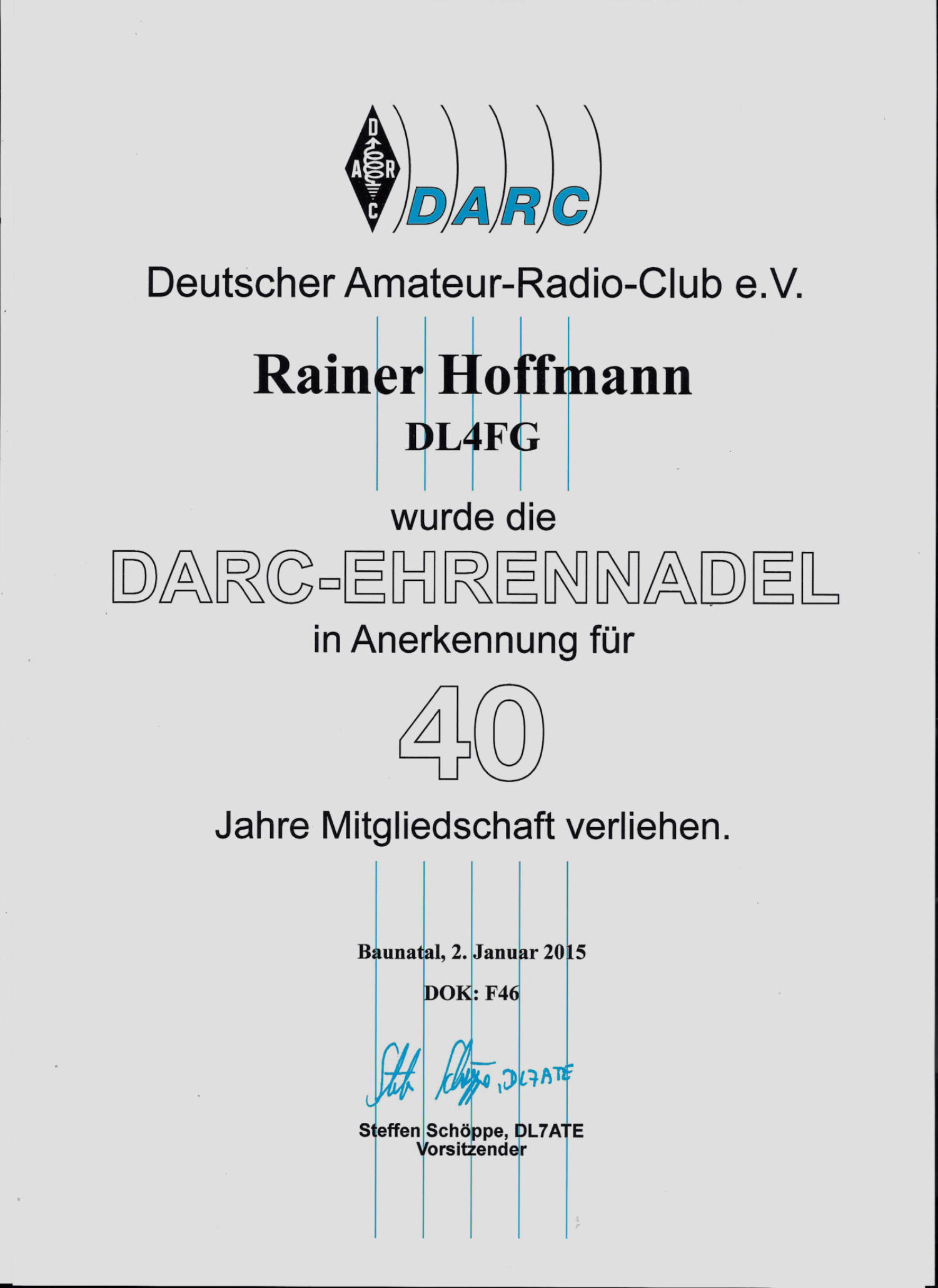
Member DARC
Forty years
emergency generator. Later, all the following field days
were held on a fairground in Laubuseschbach (Alte
Berg). There we also had electricity and sanitary
facilities.
When a former Weilburg radio amateur visited
Weilburg again, he turned me into a short-wave
Foxhunted at the monastery Schiffenberg near Gießen.
This fox hunt on the 80m SW-amateur band was really
great. On the occasion you will also get to know the
area around the monastery and the kitchen of the
restaurant.
(Greenwich Mean Time) on 01.01.1982. The time difference to the MEZ is minus 1 hour and to the MESZ minus 2 hours.
MHZ: (megahertz = 1 million hertz, 1 hertz is one oscillation per second). Here the transmission frequency is specified according to the frequency band
from 135.7 kHz to 24.250 GHz. Information about band plans can be found above. Relationship between frequency and wavelength. Frequency [Hz] = c
[m / s] / lambda [m] (c = Propagation speed of the electromagnetic wave per second about 300,000,000 m / s. Lambda is the symbol for the
wavelength.)
2-WAY QSO IN: Here you can enter the modulation type eg FM, SSB, CW, ATV FSK etc.
SIGNAL REPORT IN R, S, T. Returns the signal quality of the radio connection via a number key.
LOC JOØDL: The QTH locater offers a convenient method for location. A QTH locator card makes it easy to find your own personal locator.
DOK F46 (Weilburg) The DOK (district and local association connoisseur) identifies all the local associations affiliated to the DARC. F stands for
Hessen and the number 46 is counted up by 1. The latest DOK in Hesse is F76 Baunatal (As of 05.2019).
CQ 14 and ITU 28 (also as text) are zones that should enable undisturbed RF communication exchange. Now again as a map.
vy 73 Many greetings
Also popular are 55 = much success and rather rare (why actually) 88 = love and kisses.
PSE. = Please
TNX: = Thanks
QSL: I confirm receipt (often with a QSL card)
Shack: Is generally an amateur radio station.
Incidentally, the size of my card is 9 times 14 sq. Cm.
The Ortsverband Weilburg (DOK F 46) had at the end of 2018 17 members, 16 of which have an amateur radio license. In the table are
the call signs and the first names of the radio amateurs are listed in alphabetical order (call sign).
Here are a few pictures from my 40 years of existence as DB7FP (Jan. 1975 to 1981) and DL4FG (from 1981).Here are a few pictures from my 40
years of existence as DB7FP (Jan. 1975 to 1981) and DL4FG (from 1981).
Here are a few pictures from my 40 years of existence as DB7FP (Jan. 1975 to 1981) and DL4FG (from 1981).Here are a few pictures
from my 40 years of existence as DB7FP (Jan. 1975 to 1981) and DL4FG (from 1981).
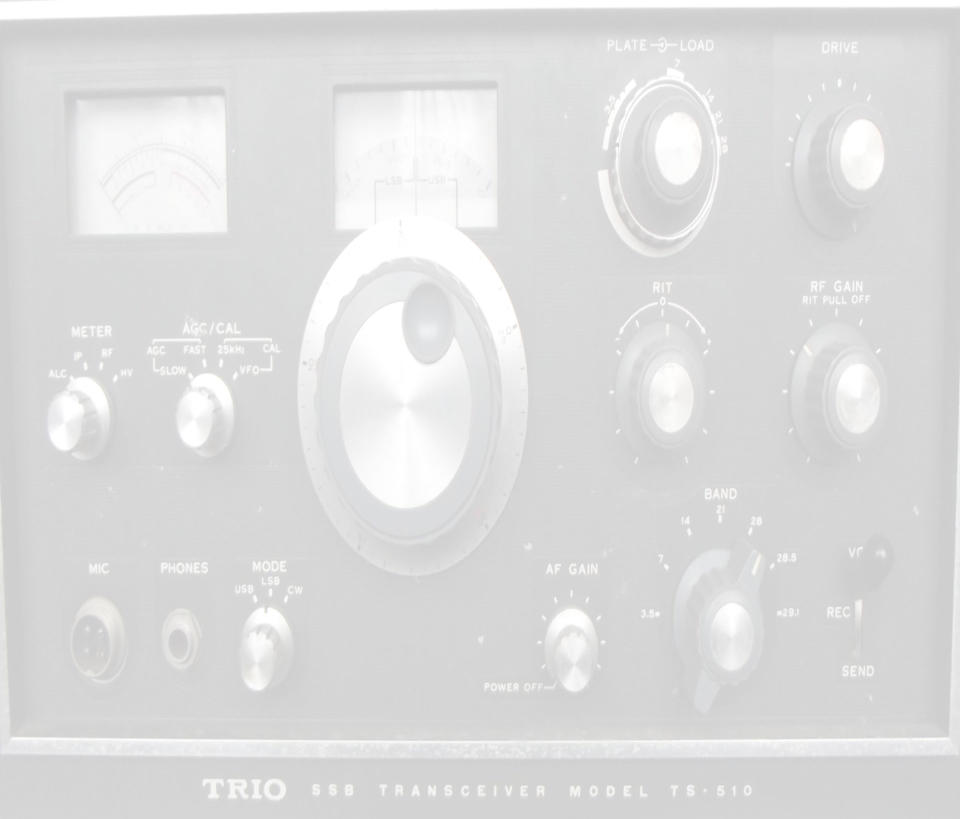
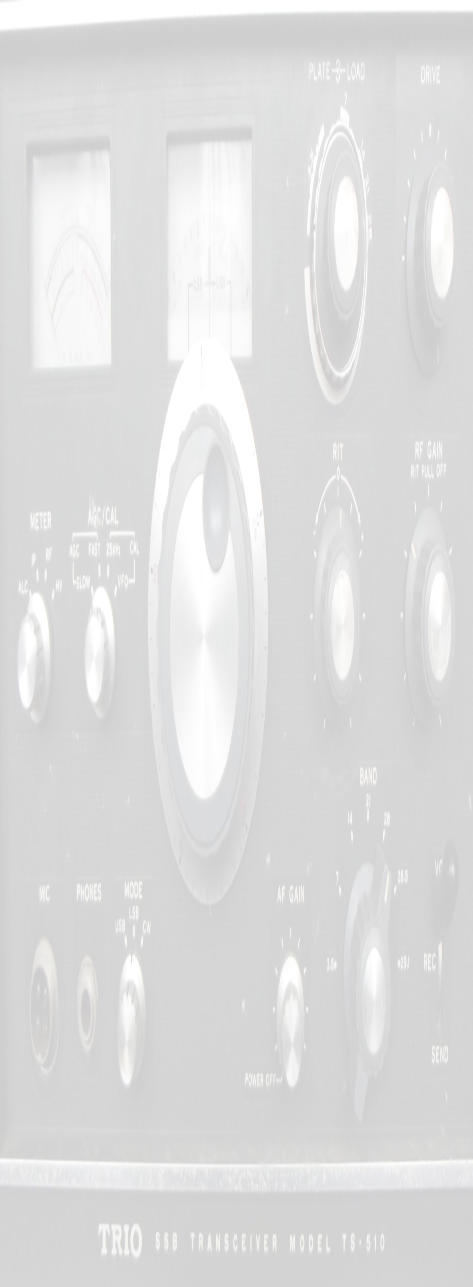
My little Shack
My first transceiver (Feb. 1975)
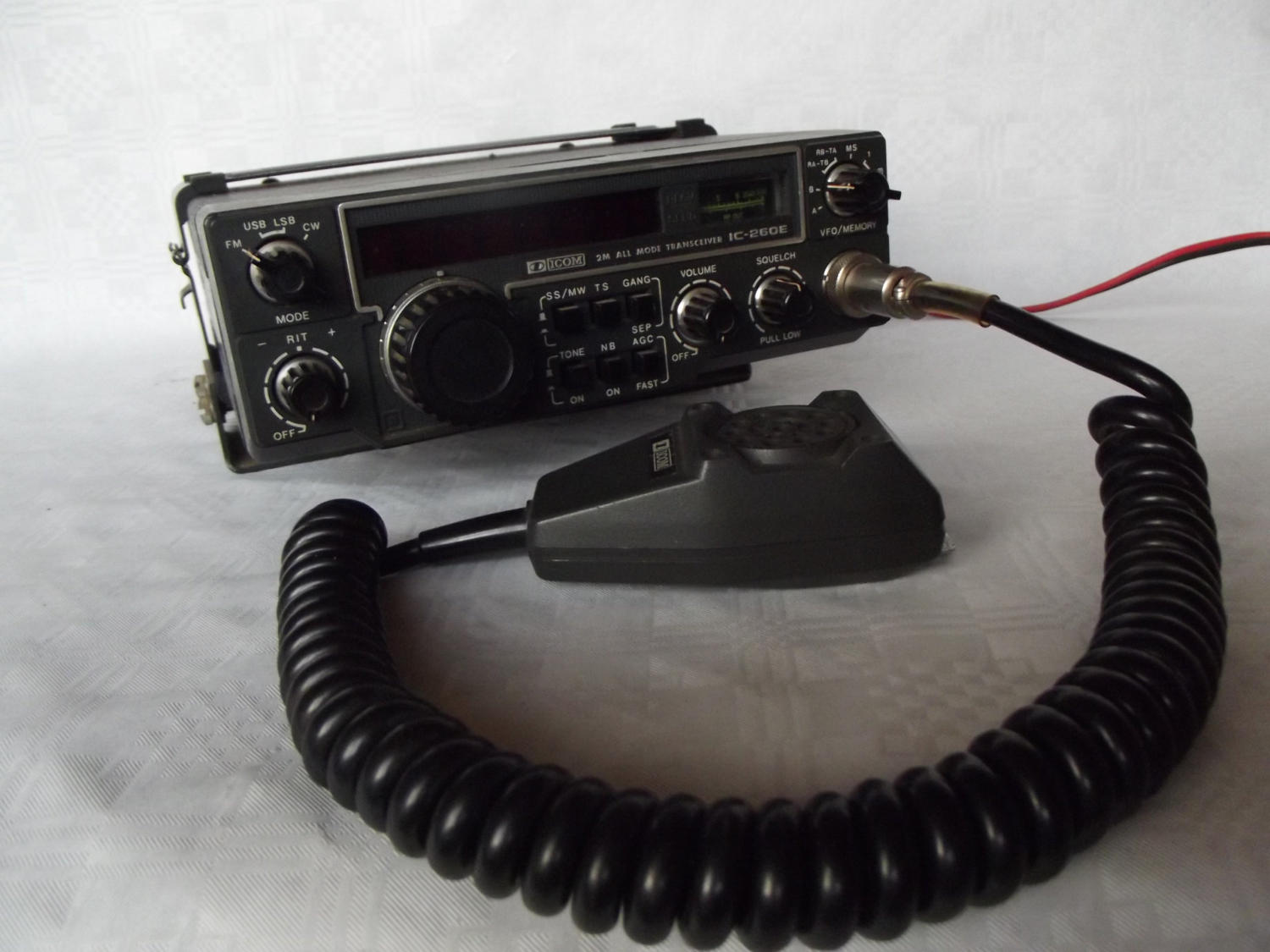
My second transceiver (2m FM,SSB,CW)
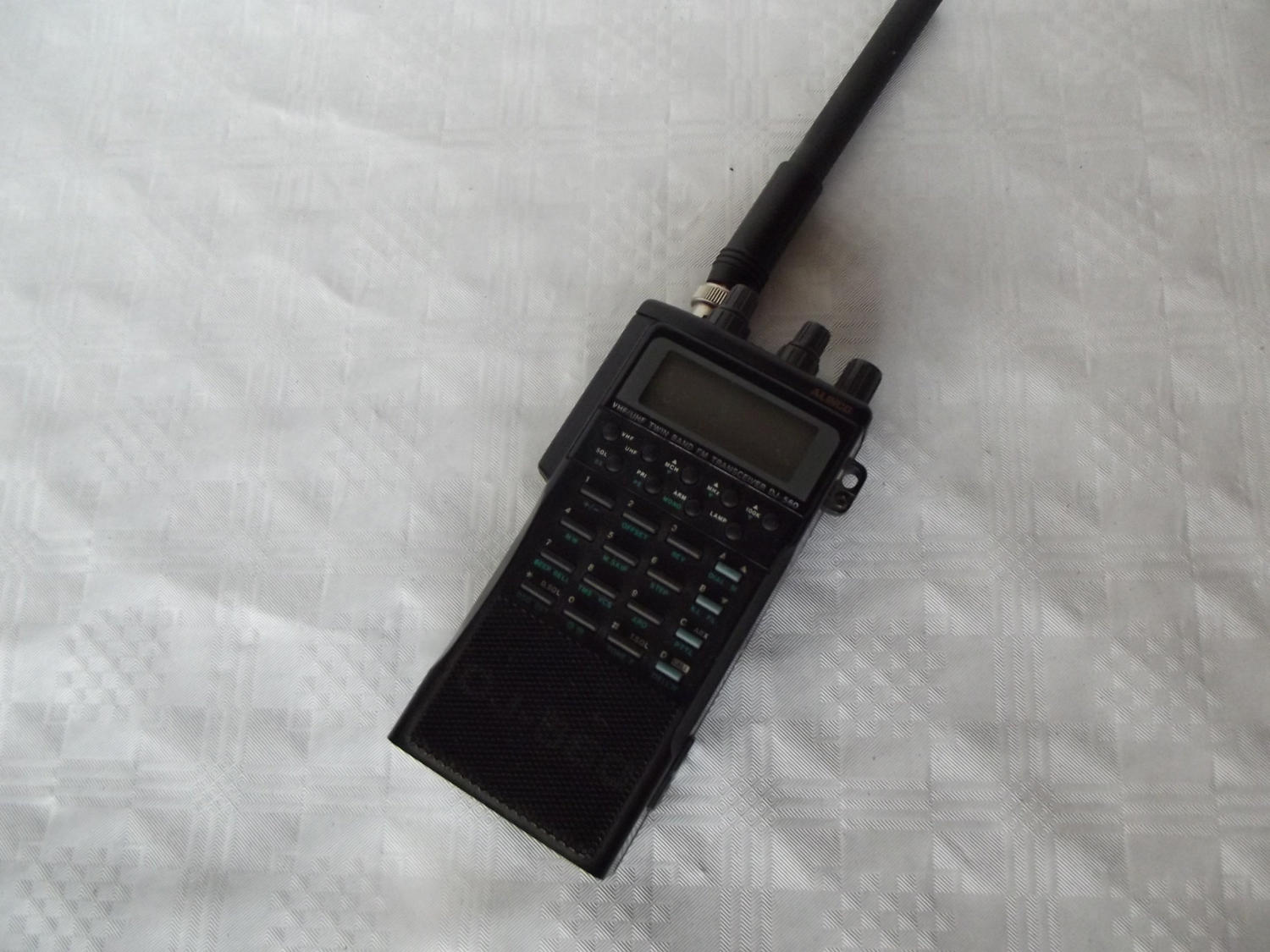
My first handheldtransceiver
My first shortwavetransceiver 1995
My second handheldtransceiver
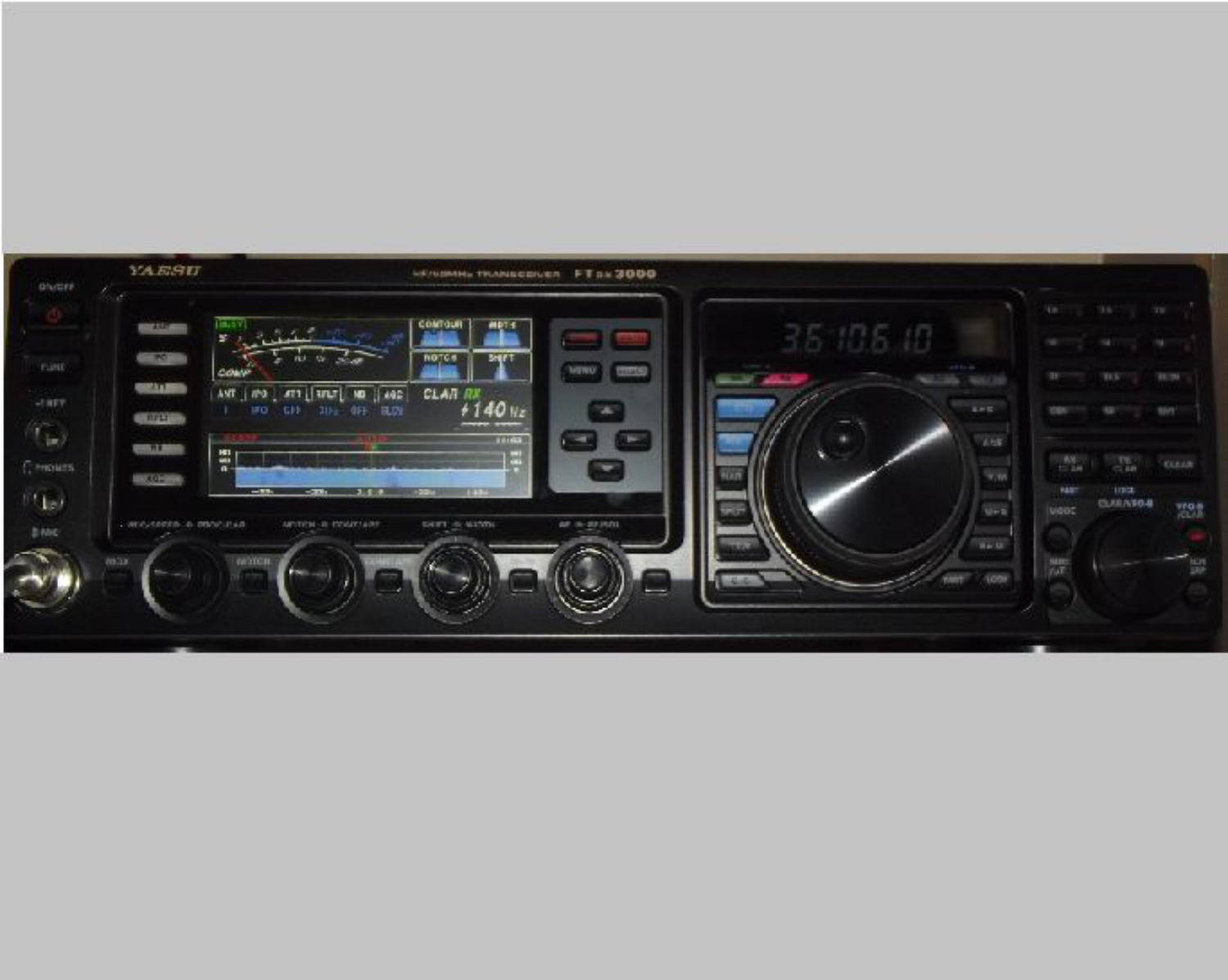
My current VHF/UHF-Transceiver
KW-Transceiver (+50MHz) 100 Watt
.





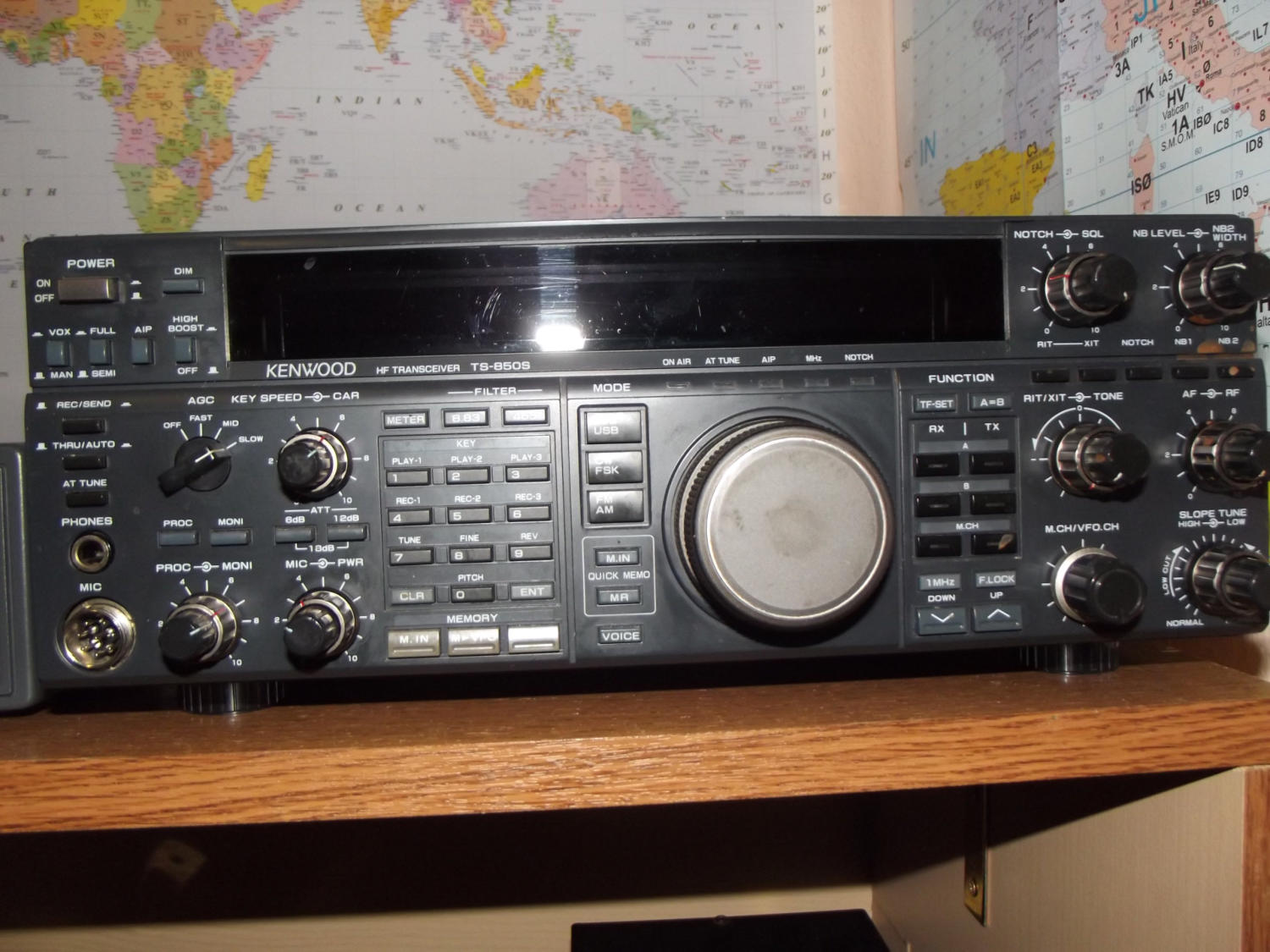
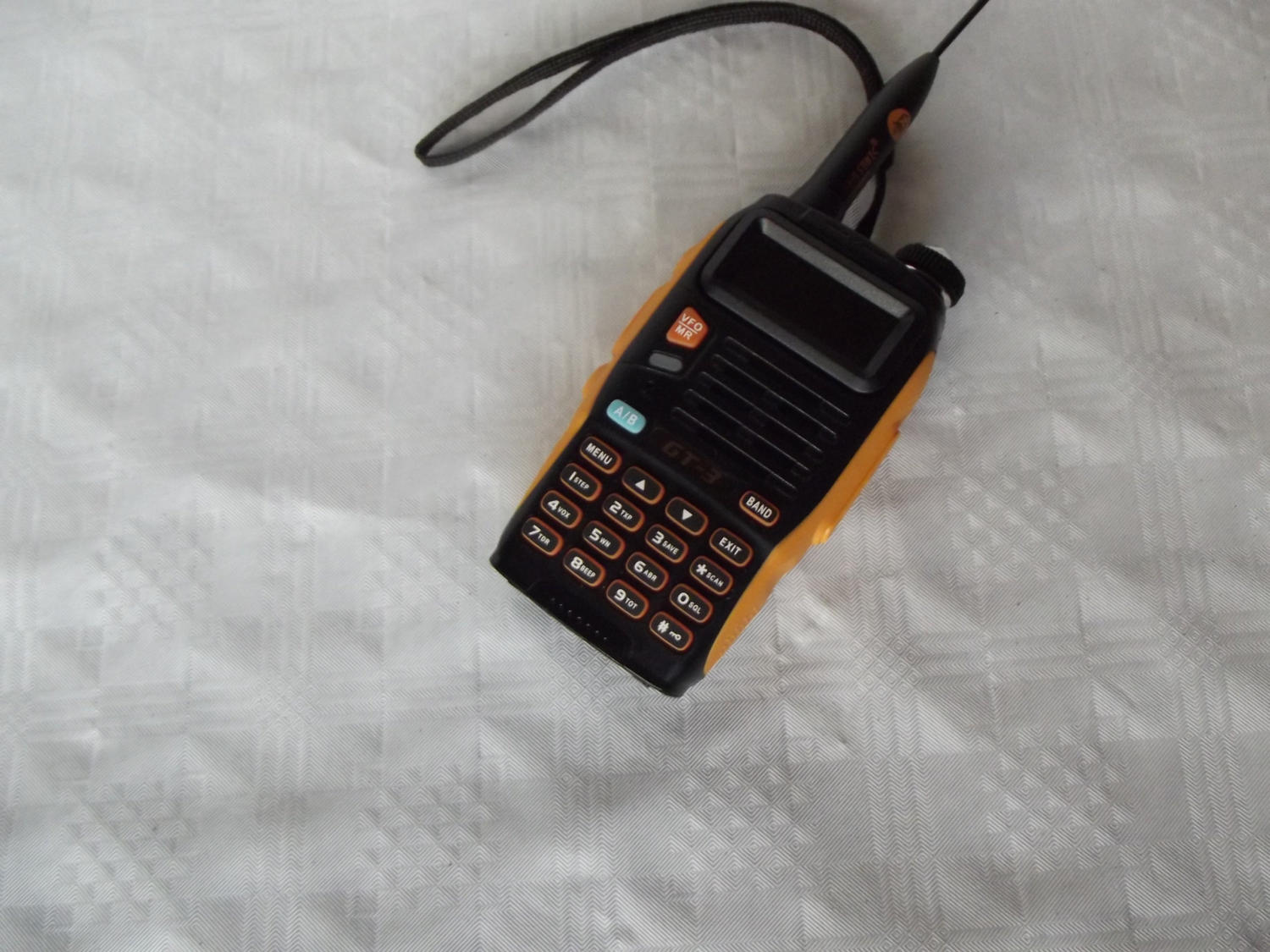
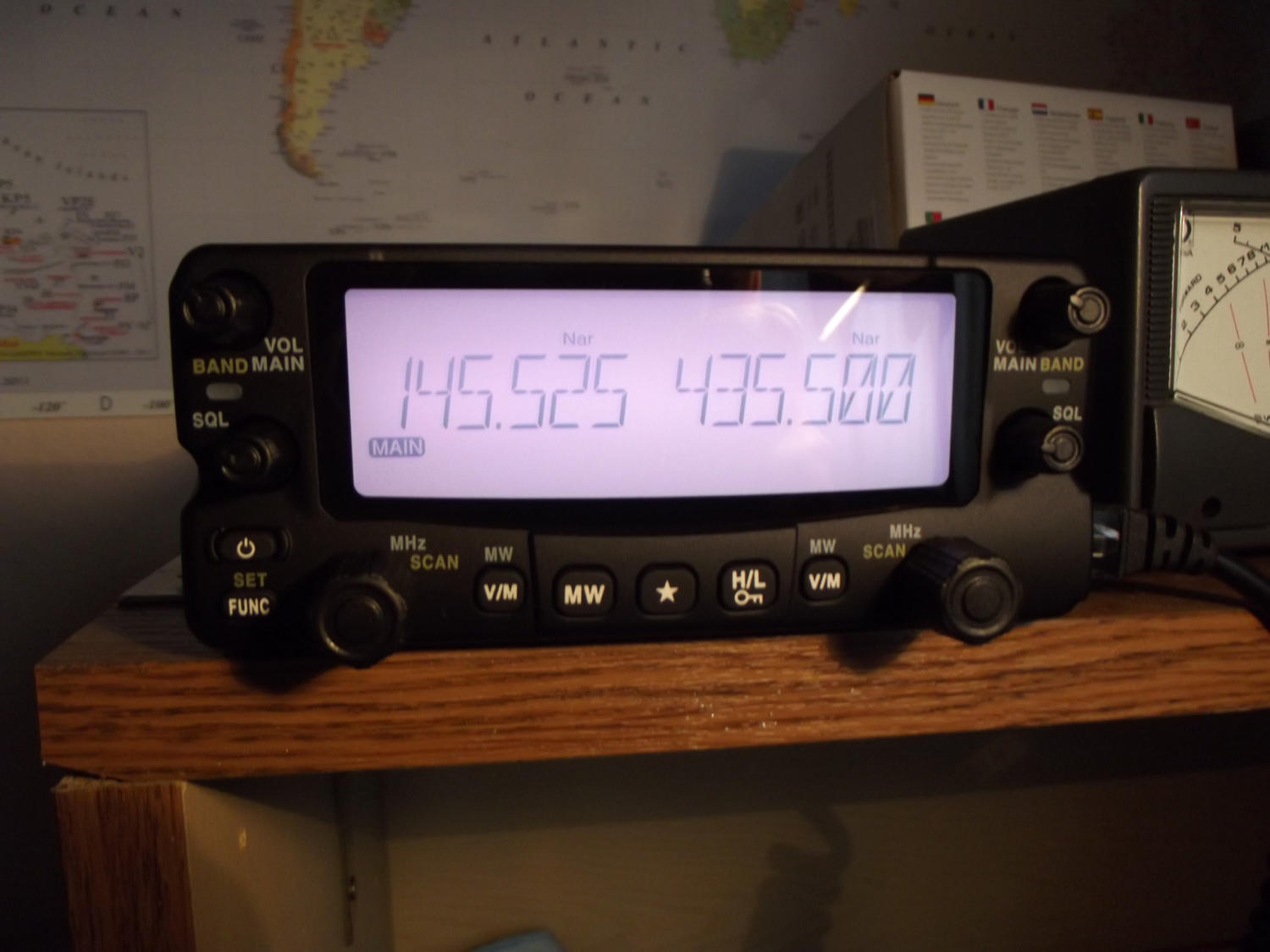





It is quite amazing what this little guy has so dragged everything into its burrow. I think that's not the end yet.
I've planned a lot. Let's see if I can enjoy it








© DL4FG WEILBURG
Amateur radio license
Guest License
France
Handmade paper
Zevenaar
Netherland
My way to the amateur radio was rather coincidental. My
neighbor came over and said that on Friday evening at
20:00 o'clock an amateur radio course takes place in
Komödienbau in the city center. That was in the fall of
1973. Since education can never be wrong, we went there.
The evening was very interesting and so we both
participated in this course for about 1 year. As
instructors Rudi, Max, Wolfgang and Peter were there.
When classes ended in autumn 1974, some of the
participants registered for the exam at the OPD in
Frankfurt. I then went to Frankfurt in January 1975 with
Richard and Herbert. After passing the theoretical exam,
I went home with the callsign DB7FP. A few weeks later I
was back in Frankfurt and bought a 2m band transceiver
TRIO TR 2200G (DM 625.65). That was quite difficult
with my trainee salary.
Incidentally, my neighbor also passed the exam and
received the callsign DB5ZZ.
I am also very sure that this course has significantly
influenced my professional orientation. At the end of the
school year in the middle of 1974, for example, I trained
as a radio electronics technician (today electronics
technician devices and systems).
Then in the middle of 1975 the Local Association
Weilburg was founded and we got a so-called district and
Ortskenner (DOK) F46. The first letter (F) stands for
Hesse and the number continues to increase. For example,
the local chapter Limburg F 14 and Wetzlar F 19. The
first chairman was then Rudi. I also ran my first radio connection (QSO)
with the Rudi. My interlocutor came from Wetzlar and is called Gottfried
Huttel DJ1SG. Because I was at Philips every working day in Wetzlar, I
personally picked up my first so-called QSL card.
Of course we also took long-distance trips to other European countries.
Once we were in Zevenaar (Netherlands) at the invitation of our host
Douwe. We also met other radio amateurs from Zevenaar. The hosts
showed us the highest elevation in the Netherlands and the Openlucht
Museum in Arnhem. In the Openlucht Museum, we were able to buy a sheet
of hand-made handmade paper, on which some of the hosts immortalized
themselves.
The next holiday took us to Privas in France. Back in 1977 we had applied
for a guest license, but we did not get in contact with radio amateurs from
Privas and the surrounding area. By the way, both cities are twinned towns
of Weilburg.
Next year, we also did our first fieldday at the Steinbühl in Weilburg.
We've built tents and antennas and some transceivers and a refrigerator
as a base load.
he emergency generator was borrowed from Weilburg THW. As a result,
we have done a few fielddays at changing locations and also bought our
own tent and an emergency generator. Later, all the following field days
were held on a fairground in Laubuseschbach (Alte Berg). There we also
had electricity and sanitary facilities.
When a former Weilburg radio amateur visited Weilburg again, he
turned me into a short-wave Foxhunted at the monastery Schiffenberg
near Gießen. This fox hunt on the 80m SW-amateur band was really
great. On the occasion you will also get to know the area around the
monastery and the kitchen of the restaurant.
Very nice were also the fox hunts on VHF (2 m band) in Weilburg and
surroundings. Of course, we were often only 4 participants and had to
find only one fox (transmitter) by bearing. However, the success left
much to be desired. But grilling afterwards compensated for everything.
In 1980 four radio amateurs got together and wanted to learn Morse. The
meaning behind it was the acquisition of the license class A or B.
Unfortunately, 3 have given up on the way. That was not exactly motivating
for me. And after about a year, I passed the exam in Frankfurt. Almost a
joke that you learn about 1 year and the exam takes net only 9 minutes. 2
passages each 3 minutes listening and give 3 minutes. And that with 60
letters per minute. It almost sounds like music (synthesizer). For me, the
problem was that I have no sense of rhythm. Do not ask me where I noticed
that for the first time. In the dance school, yes, but I had never been
there. I was just too small for that. When I was not in Weilburg for a few
years, the hobby had to rest a little bit. However, I'm currently in the
process of bringing some old devices back to work.
On the left you can see a design for my new so-called QSL card. I did not
want a card off the rack but something individual. That takes a little longer.
The back shows the rhombus of my club (DARC). Some specific
abbreviations will now be briefly explained.
QSO: Can contact xxxx.
SWL: Shortwave Listener (shortwave listener, without amateur radio
license).
RADIO: call sign of the other station.
UTC: (Universal Time Coordinated) has replaced the previously valid GMT
(Greenwich Mean Time) on 01.01.1982. The time difference to the MEZ is
minus 1 hour and to the CEST minus 2 hours.
MHZ: (megahertz = 1 million hertz, 1 hertz is one oscillation per second).
Here the transmission frequency is specified according to the frequency
band from 135.7 kHz to 24.250 GHz. Information about band plans can be
found above. Relationship between frequency and wavelength. Frequency
[Hz] = c [m / s] / lambda [m] (c = Propagation speed of the electromagnetic
wave per second about 300,000,000 m / s. Lambda is the symbol for the
wavelength.)
2-WAY QSO IN: Here you can enter the modulation type eg FM, SSB, CW,
ATV FSK etc.
SIGNAL REPORT IN R, S, T. Returns the signal quality of the radio
connection via a number key.
LOC JOØDL: The QTH locater offers a convenient method for location. A
QTH locator card makes it easy to find your own personal locator.
DOK F46 (Weilburg) The DOK (district and local association connoisseur)
identifies all the local associations affiliated to the DARC. F stands for
Hessen and the number 46 is counted up by 1. The latest DOK in Hesse is
F76 Baunatal (As of 05.2019).
CQ 14 and ITU 28 (also as text) are zones that should enable undisturbed
RF communication exchange. Now again as a map.
vy 73 Many greetings
Also popular are 55 = much success and rather rare (why actually) 88 = love
and kisses.
PSE. = Please
TNX: = Thanks
QSL: I confirm receipt (often with a QSL card)
Shack: Is generally an amateur radio station.
Incidentally, the size of my card is 9 times 14 sq. Cm.
The Ortsverband Weilburg (DOK F 46) had at the end of 2018 17 members,
16 of which have an amateur radio license. In the table are
the call signs and the first names of the radio amateurs are listed in
alphabetical order (call sign).
Amateur Radio
City Club-Weilburg
German
My QSL card in the final form (front side)
My QSL card in the final form (back)



Member DARC
Forty years
Here are a few pictures from my 40 years of existence as DB7FP
(Jan. 1975 to 1981) and DL4FG (from 1981).Here are a few pictures
from my 40 years of existence as DB7FP (Jan. 1975 to 1981) and DL4FG
(from 1981).
My little Shack
My first transceiver
(Feb. 1975)
My second transceiver
(2m FM,SSB,CW)
My first handheldtransceiver My first shortwave-
My second handheld
transceiver 1995
transceiver
My current VHF/UHF-
Transceiver
KW-Transceiver (+50MHz) 100 Watt
It is quite amazing what this little guy has so
dragged everything into its burrow.
I think that's not the end yet. I've planned
a lot. Let's see if I can enjoy it.















